The Best Time To Visit Joshua Tree National Park
This post may contain affiliate links, which means I may receive commissions when you click links and make purchases at no extra cost to you. View details here. By purchasing items through the included links, you’ll help keep this site running. Thank you for your support!
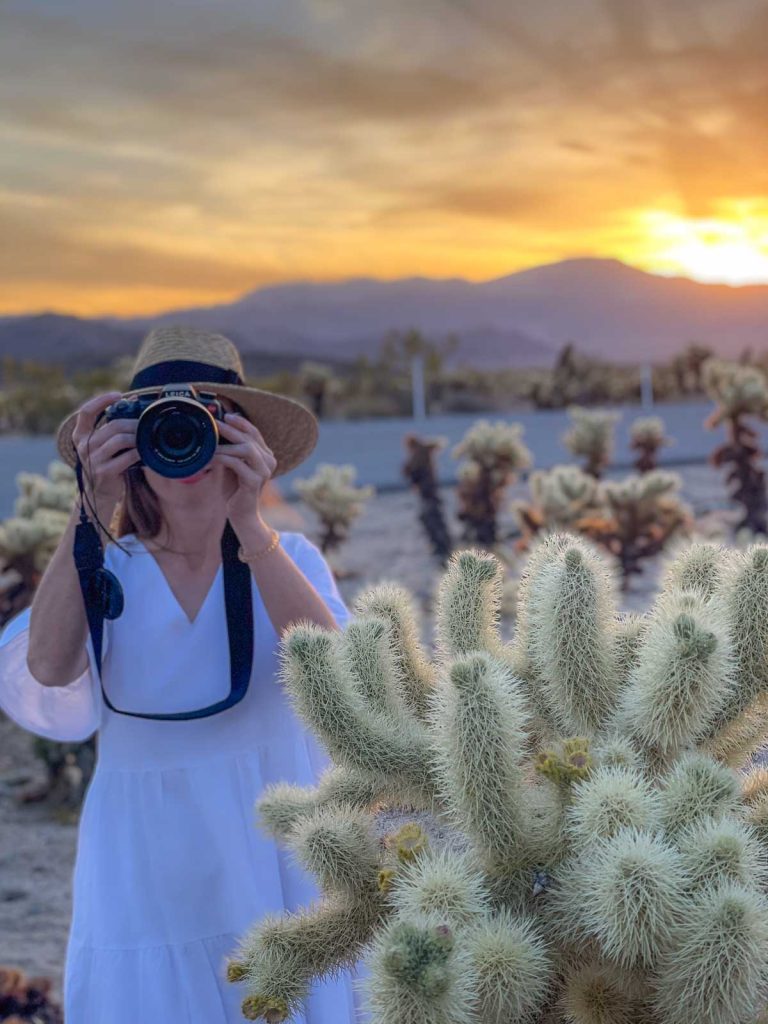

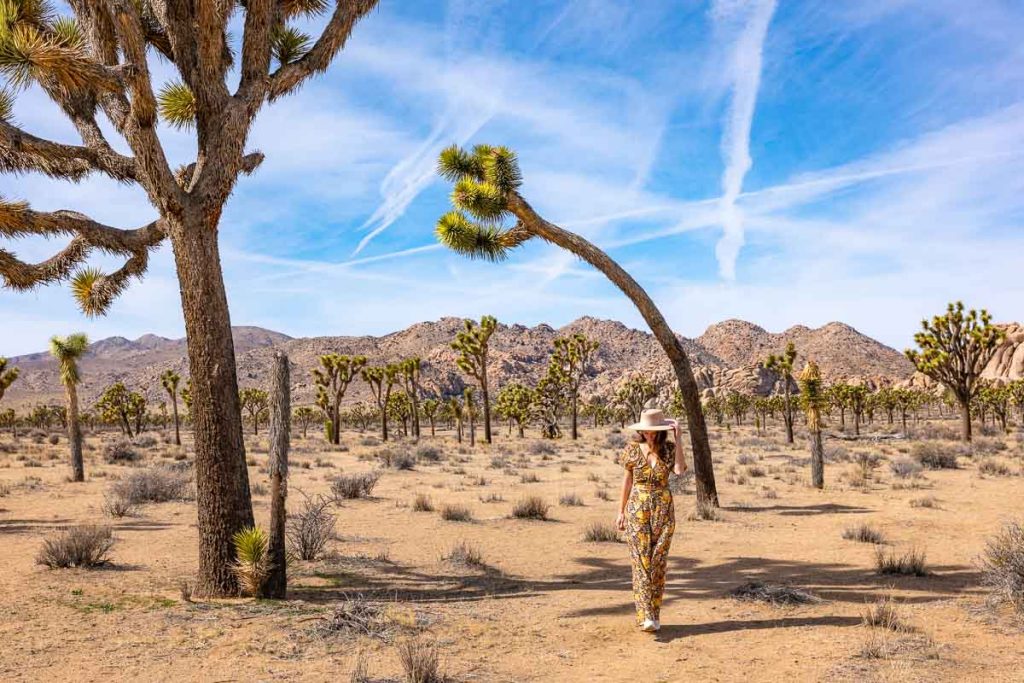
Nestled in Southern California’s arid desert landscape, straddling the Mojave Desert and the Colorado Desert, Joshua Tree National Park is a destination like no other. Famous for its striking Joshua trees, dramatic rock formations, and endless skies, this iconic park offers an unforgettable escape for nature lovers, adventurers, and photographers.
You can see a lot of the park in just one day, so it makes a great day trip from nearby popular cities like Palm Springs and Los Angeles. This post will take you through some of the best things to know before you go, including the type of crowds and weather to expect in Joshua Tree National Park during each season.
Summary: The best time to visit Joshua Tree National Park is during the fall and winter months first thing in the morning– you’ll get fewer crowds, cooler temperatures, and plenty of things to do! No matter when you visit, be sure to plan ahead, avoid extreme temperatures in the middle of the day, and bring plenty of water!
Know Before You Go
To get to Joshua Tree, you’ll need to fly into Palm Springs International Airport, which is the closest airport. From there, you can rent a car and drive less than an hour into the park. In terms of accommodations, you’ll find great hotels in the Coachella Valley (about 40 minutes from the park), Yucca Valley (just a 20 minute drive), and Los Angeles (a 2-hour drive, but a great option for a day trip).
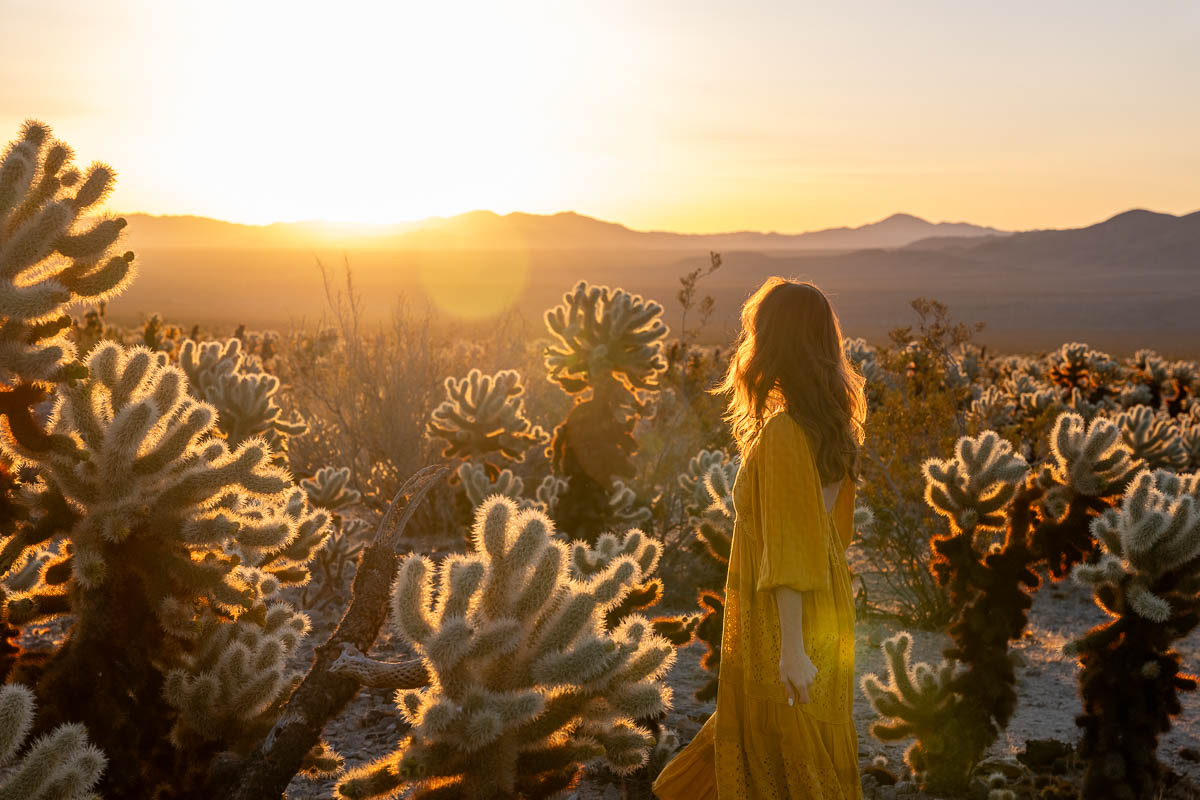
To access the West Entrance, you’ll drive to Joshua Tree Village, five miles south of Highway 62 – this is the most popular entrance. Expect long lines in high season. For fewer crowds while entering the park, the North Entrance is located in Twentynine Palms. The South Entrance near Cottonwood Spring is the least busy and closest to the beautiful Cholla Cactus Garden, which is the perfect place to start a one-day drive through the park.
Joshua Tree’s high season is typically between October and May – the busiest times within this range are on the weekends, holidays, and the spring break season, between March through mid-April. Not only are visitors off of work and school during this time, but the spring offers pleasant temperatures, clear skies, and blooming wildflowers.
The low season in Joshua Tree is usually in the summer, and this is because of the extreme desert temperatures, which often reach over 100°F during the day.
Joshua Tree Travel Tips
- It doesn’t matter which season you’re visiting; you’ll definitely need plenty of water! This dry desert climate makes it easy to get dehydrated.
- Check out the visitor centers to access potable water, restrooms, and information about hiking trails and things to do.
- If you need to pick up food, water, or snacks, you’ll find grocery stores nearby in Yucca Valley and Twentynine Palms. There are no restaurants or cafes inside the park.
- The Joshua Tree entrance fee is $30 year-round. If you visit 3 or more national parks in a year, it is cheaper to buy a national park annual pass.
- If you want to camp inside of Joshua Tree, Hidden Valley Campground is a great option with easy access to lots of climbing. Black Rock Campground is another good choice if you want to experience desert scenery, with junipers, cholla cacti, and a variety of desert shrubs.
- Hidden Valley, White Tank, and Belle Campgrounds are first-come, first served, all of the other campsites require reservations up to 6 months in advance.
- Be sure to pack layers. Average temperatures can fluctuate up to 50 degrees in one day!

Winter in Joshua Tree National Park
Between December and February in Joshua Tree, you’ll experience average daytime winter temperatures around 60°F, and low temperatures at night in the 30s. This means that during the day, with a jacket, you’ll be super comfortable during outdoor activities!
Winter is a great time for rock climbing in Joshua Tree! Near Jumbo Rocks Campground, rock climbers will find a one-mile loop trail showcasing some of the largest rock formations in this park.
Along the main east-west park road, Skull Rock is likely the most popular rock formation in this park – it looks exactly like a spooky skull with two sunken eye sockets! Be sure to check out Hidden Valley Nature Trail, a one mile loop surrounded by incredible boulders.
Winter is also fantastic for hiking, as you won’t get overheated easily. Some of the best hikes include the Barker Dam Trail, an easy one-mile loop leading you past the historic Barker Dam. Arch Rock is another easy hike, which will lead you to a massive natural rock formation.
While this season might be the chilliest time of year in Joshua Tree, it’s a great time to avoid the extreme summer temperatures, and it’s the peak season for outdoor recreation!
Spring in Joshua Tree National Park
The springtime, between March and May, is the busiest time of year to visit Joshua Tree National Park, but it’s also one of the best times to visit due to the weather and stunning wildflowers.
During this season, the average high temperature is around 78°F, while the low temperatures at night hovers between 48°F to 63°F. While you’ll probably need a jacket at night, the springtime weather is the best time of year for hiking and outdoor exploration.
Early morning hikes will give you cooler temperatures and less crowds during this time of year. If you go in the heat of the day, be sure to bring plenty of water!
The spring is also a great time to do all of the rock climbing activities I already mentioned. You can also check out the spring flowers in the Cholla Cactus Garden, providing a flat loop trail through ten acres showcasing teddybear cholla, a rare cactus. Pinto Basin Road is another great place to catch a glimpse of the springtime blooms, home to poppies, desert lilies, and desert golds.
Summer in Joshua Tree
From June through August, Joshua Tree has sweltering temperatures – the average high hovers around 100°F, while the evening temperatures cool off slightly, with an average of 70°F.
As you can imagine, this is not a great time for most outdoor activities due to the extreme heat and the risk of heat stroke. Not to mention, the rare summer thunderstorms mean that flash floods can happen every now and then.
If you do decide to visit Joshua Tree in the summer, be sure to bring plenty of water, and stick to short hikes early in the day or in the evening to avoid the high temperatures in the afternoon. Rock climbers should also avoid the heat of the day.
On the other hand, the summer (in June and July) is the best time to see the Milky Way on clear nights. The summer months are also the best time to see bighorn sheep resting on cliffs above their water source.
Joshua Tree in the Fall
In the fall, between September and November, cooler temperatures return, and late fall brings some serious relief from summer heat. The average daily temperature in the autumn ranges from 70–85°F, and at night, it usually drops to around 50°F.
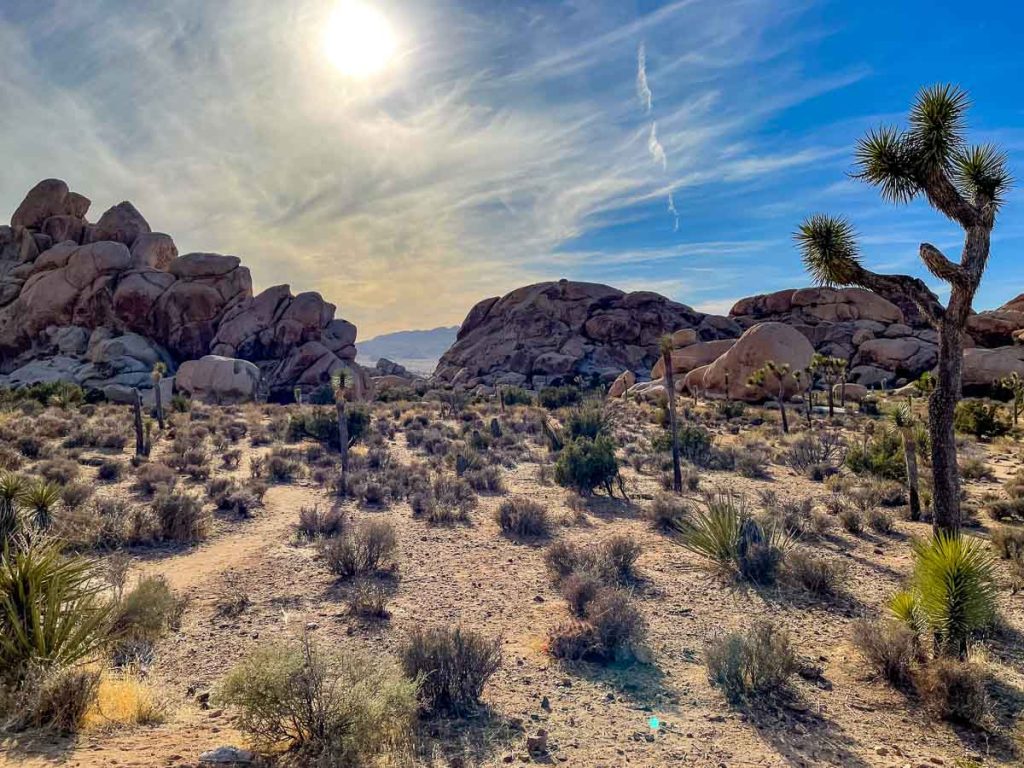
Fall is a great time to avoid the crowds of the peak season, while also enjoying pleasantly warm temperatures – this season is perfect for first time visitors to explore all the major attractions. This is one of the best seasons to enjoy rock climbing, hiking, rock formations like Jumbo Rocks and Skull Rock, and a scenic drive along Pinto Basin Road.
For a more lush trail, Fortynine Palms Oasis Trail is open during the cooler months – you’ll see greenery and plenty of rock formations along the way. You might see wildlife as you explore – the area is home to bighorn sheep, Gambel’s quail, and coyotes.
***
Whether you’re looking to hike through rugged terrain, stargaze under some of the clearest skies in the country, or simply immerse yourself in the tranquility of the desert, Joshua Tree has something for everyone, no matter the time of year you visit!
Shop Travel Gear
Shop all my current obsessions and travel essentials I can’t live without. I only recommend products I’ve actually tried and loved!

The Best Travel Apps
Want To Travel Easier?
Get my Free Guide to the Best Travel Apps straight to your inbox